Vehicle restrictions near The Oval for Kennington removals: what to know before moving day
If you are planning a move around Kennington and The Oval, vehicle restrictions near The Oval for Kennington removals can shape almost every part of the day. They affect where the van can stop, how long loading takes, whether a larger vehicle is suitable, and even the order you pack the kettle and the mattress. In a busy part of South London, a small planning mistake can mean walking boxes farther than you expected, paying for extra time, or watching your driver circle the block while someone checks access. Not ideal, frankly.
This guide breaks down the practical side of moving in and around The Oval: what restrictions usually matter, how to plan for them, which vehicles tend to work best, and how to avoid the common snags that catch people out. If you want a smoother move, less stress, and fewer surprises on the day, you are in the right place.
Table of Contents
- Why Vehicle restrictions near The Oval for Kennington removals Matters
- How Vehicle restrictions near The Oval for Kennington removals Works
- Key Benefits and Practical Advantages
- Who This Is For and When It Makes Sense
- Step-by-Step Guidance
- Expert Tips for Better Results
- Common Mistakes to Avoid
- Tools, Resources and Recommendations
- Law, Compliance, Standards, or Best Practice
- Options, Methods, or Comparison Table
- Case Study or Real-World Example
- Practical Checklist
- Conclusion
- Frequently Asked Questions
Why Vehicle restrictions near The Oval for Kennington removals Matters
The Oval sits in a dense, well-used part of London where road space is precious and traffic can move in fits and starts. For removals, that matters because moving day is not just about getting from A to B. It is about getting close enough to the front door, doing the loading safely, and leaving enough time for all the awkward bits that reality tends to throw in.
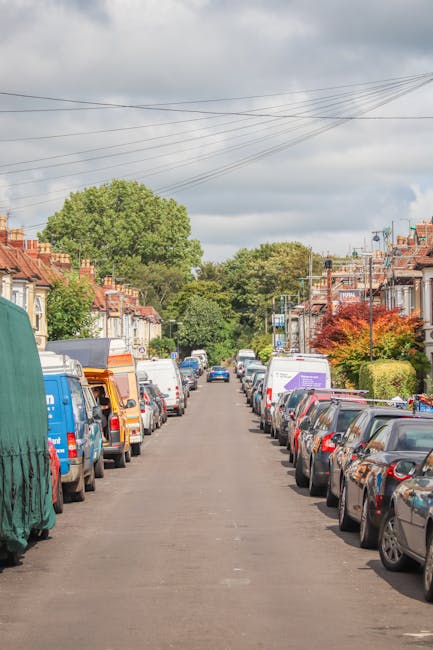
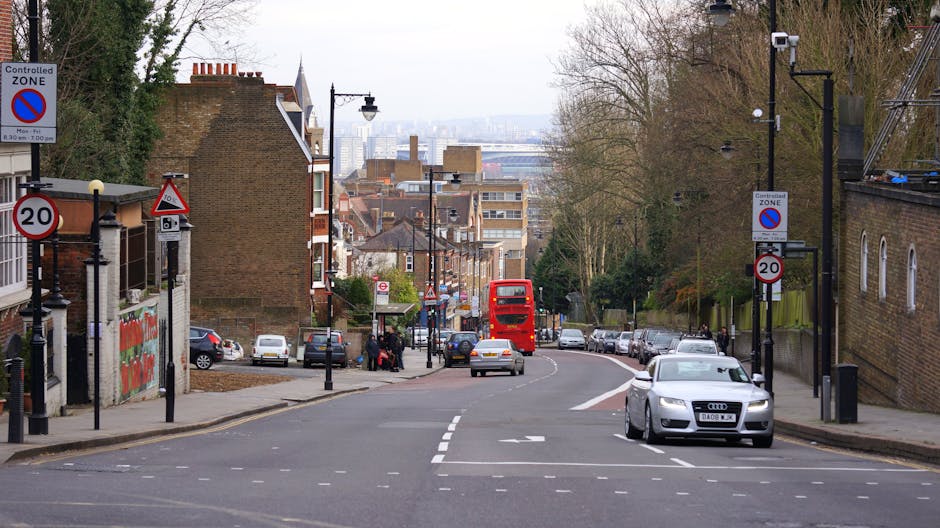
Vehicle restrictions near The Oval can influence whether a removal van can wait nearby, whether a larger lorry can even approach certain streets, and how easy it is to turn around once loaded. A van that looks perfect on paper can become a headache if the route includes tight junctions, parking controls, height limits, or short loading windows. You do not want to discover that halfway through carrying a wardrobe downstairs.
It also matters for neighbours and building management. A move done badly can block access, create complaints, or add tension with porters, residents, or nearby businesses. A move done well feels almost invisible. The lift is used efficiently, the van arrives at the right time, and everyone gets on with their day.
Expert summary: around The Oval, the winning approach is usually not "largest vehicle possible" but "right-size the vehicle, check access properly, and time the loading carefully." That simple shift saves a lot of grief.
How Vehicle restrictions near The Oval for Kennington removals Works
There is no single rule that covers every street near The Oval. In practice, restrictions can come from several places at once: parking controls, loading restrictions, one-way streets, time-sensitive access, narrow roads, and building-specific rules. That is why removals in this area need more than a postcode and a postcode alone. You need a bit of local judgement.
For example, one street may allow short loading if the driver stays with the vehicle, while another may have pay-and-display conditions or resident-only parking that makes stop-and-go loading tricky. Some roads around central London sports venues can also feel busier before and after events, which means the route that looks easy at 9 a.m. may be a mess by 2 p.m. Not dramatic, just London doing London things.
The practical question is not only "Can the van get there?" It is also "Can the van stop there safely, for long enough, without causing a problem?" That distinction is huge. A move can fail even when the vehicle physically reaches the street if there is nowhere lawful or sensible to load.
Here is the usual flow:
- Check the route and access points before moving day.
- Match the vehicle size to the street width, turning space, and parking conditions.
- Decide where loading will happen and how long it is likely to take.
- Plan who will carry items from the property to the vehicle and from the vehicle into the new place.
- Build in a buffer for traffic, lift delays, and awkward items.
If you are arranging a local home move, it often helps to look at a broader home moves service rather than treating access as an afterthought. For business relocations, the same is true for office removals, because access issues tend to multiply when desks, IT kit, and multiple staff are involved.
Key Benefits and Practical Advantages
Planning around vehicle restrictions may not sound exciting, but it pays off in several concrete ways. In our experience, the biggest advantage is simple: less uncertainty. And moving day already has enough uncertainty baked in.
- Faster loading and unloading: if the vehicle can stop close to the property, boxes and furniture move more quickly and safely.
- Lower risk of damage: fewer long carries across pavements or around parked cars means less chance of scrapes, knocks, and dropped items.
- Better timing: a well-matched vehicle and access plan helps the whole day run to schedule.
- Reduced stress: fewer surprises, fewer disputes with neighbours, fewer last-minute "where can we park?" conversations.
- Safer handling: lifting heavy items over shorter distances is simply easier on people and belongings.
There is also a commercial upside. If you are comparing a man and van option with a bigger truck hire arrangement, the access restrictions near The Oval may tilt the decision one way or the other. Sometimes a smaller vehicle makes the whole process more efficient, even if it means a second run. Truth be told, bigger is not always better on tight London streets.
If you are moving a flat with stairs, limited frontage, or strict building rules, these benefits become even more noticeable. The difference between a careful access plan and a hopeful one can be the difference between a calm move and a very long afternoon.
Who This Is For and When It Makes Sense
This subject matters for anyone moving to, from, or within Kennington near The Oval, but some people need it more than others. If your property is on a busier road, in a managed block, or close to event traffic, vehicle planning becomes essential rather than optional.
It makes particular sense if you are:
- moving from a flat with restricted kerbside access
- using a larger van or lorry for a full house move
- moving office furniture, filing, or IT equipment
- working to a tight handover deadline
- dealing with a basement, upper-floor flat, or no-lift building
- sharing access with other residents or commercial units
- trying to avoid penalties, delays, or building complaints
If your move is lighter, a small moving van or man with van arrangement may be more practical than a full-scale removals vehicle. On the other hand, if you have bulky wardrobes, white goods, and a lot of boxes, a more structured removal services approach may be the safer option.
The key is to think about access before you think about volume. That sounds obvious, but people forget it all the time. We all do, until we are standing on the pavement with a sofa and an apologetic face.
Step-by-Step Guidance
Here is a practical way to plan a move near The Oval without losing your head.
- Map the property access. Check the road, frontage, and any likely stopping point. Look at width, turning room, and whether a vehicle can pause without blocking everything.
- Confirm building rules. Ask about loading bays, lift bookings, time slots, concierge arrangements, and any instructions for movers. A tiny detail here can change the whole plan.
- Choose the right vehicle size. Match the van or truck to the street. If access is tight, smaller and more manoeuvrable often works better.
- Decide your loading sequence. Put heavy, awkward, or fragile items into a sensible order so you are not constantly reshuffling the van.
- Set a realistic time window. Allow extra time for parking, traffic, stairs, and unexpected delays. London traffic rarely reads your schedule.
- Prepare protected walk routes. If items must be carried farther than expected, plan a clean, safe route to avoid bumps and dirt.
- Keep communication clear. Make sure the driver, movers, and anyone in the property know where to meet and when.
If you are booking a broader package, options like removals or man and van removals can be a smart fit when access needs and transport needs overlap. For people moving out of a house rather than a flat, house removals may be more appropriate because the service is often better suited to larger volumes and more varied access conditions.
One small but useful habit: arrive at the property with a minute or two to spare and look at the street before unloading starts. You will spot things you cannot see from a booking form. A cone, a narrow bay, a delivery truck parked awkwardly, or a cyclist lane can change the plan in an instant. That little walk-around can save a lot of effort.
Expert Tips for Better Results
The best moves near The Oval are usually the ones where someone has quietly done the boring planning well. Boring is underrated. Here are the details that really help.
- Use a smaller vehicle when access is uncertain. If a street is tight, a compact van often beats a larger vehicle because it can stop and manoeuvre more easily.
- Book with event pressure in mind. The area can feel busier around match days or other local activity, so build in extra time if your move falls near one of those periods.
- Keep essential items apart. Pack documents, chargers, snacks, kettle bits, and keys separately so you are not rummaging through twelve boxes at the end of the day.
- Protect the walking route. Door frames, stair rails, and corners near the entrance deserve extra padding, especially if you have larger furniture.
- Load in a sensible order. Put the items needed last at the back if they will be unloaded first, and vice versa. Simple, but it works.
If you need reliable lifting support, a well-run movers team can make the difference between a move that feels endless and one that genuinely stays on track. And if the job includes fragile or awkward furniture, ask about packing and unpacking services too. It is one of those things people dismiss until they realise their crockery is packed in what looks suspiciously like a cereal box.
Another practical tip: photograph the access point before the move if anything looks awkward. Not for drama. Just for clarity. A photo of the street, bay, gate, or entrance can help everyone make faster decisions on the day.
Common Mistakes to Avoid
A lot of problems near The Oval are avoidable. The tricky part is that they usually feel minor right up until they become expensive or annoying.
- Assuming the van can park anywhere. It often cannot, and "just for a minute" is not always enough.
- Choosing vehicle size before checking access. A bigger vehicle may sound more efficient, but it can be the wrong choice for a restricted street.
- Ignoring building instructions. Managed buildings often have rules about bookings, entry, and lift use. Miss those and everything slows down.
- Underestimating loading time. Short walks, stairs, and awkward furniture all add up.
- Not planning for event-day traffic. Around The Oval, timing really matters. A calm street can change quickly.
- Leaving all packing until the last minute. If you are still taping boxes as the van arrives, the move becomes frantic very quickly.
One more subtle mistake: not telling the removals team about access issues because you do not want to make it sound complicated. Please do tell them. That is exactly the sort of information a good team wants. It helps everyone avoid the "oh, right, there's a narrow gate" moment. Not fun. Never is.
Tools, Resources and Recommendations
You do not need a suitcase full of specialist gear to manage vehicle restrictions, but a few simple tools make life much easier.
| Tool or resource | Why it helps | Best use |
|---|---|---|
| Street photos | Shows width, parking points, entrances, and turning space | Before booking the vehicle |
| Building access notes | Keeps lift times, entry codes, and loading instructions in one place | For flats and managed properties |
| Room-by-room inventory | Helps match item volume to the right van size | Before quote requests |
| Protective covers and blankets | Reduces damage during long carries or tight manoeuvres | For furniture and appliances |
| Labelled boxes | Speeds unloading when the vehicle cannot stay parked long | On the packing stage |
For pricing and planning, it is worth checking pricing and quotes early so you can compare the likely cost of a smaller, more nimble vehicle against a larger option. If you are moving a commercial premises or an office near The Oval, a dedicated commercial moves approach may be better because it can be tailored around access, equipment, and time pressure.
If you need something between a simple lift-and-load and a full-scale move, a man with a van service can be a practical middle ground. It is often the sweet spot for local London moves where access is awkward but the overall load is not huge.
Law, Compliance, Standards, or Best Practice
When moving near The Oval, the most sensible approach is to treat parking, loading, and access rules with care. Local restrictions can change from street to street, and some of the details are best confirmed directly before moving day. You do not need to become a traffic law expert, but you do need to respect the basics: do not block access, do not assume a loading bay is free to use, and do not leave the driver guessing.
Best practice usually includes checking whether the property has any formal loading arrangements, asking whether a permit or time slot is needed, and making sure the vehicle is appropriate for the road layout. For larger or more complex jobs, it is wise to work with a provider that treats insurance, safety, and handling procedures seriously. That includes understanding how items are loaded, secured, and moved in a way that protects both people and property.
It also helps to work with clear terms and conditions, especially where timing changes, waiting time, access issues, or building delays might affect the job. If you want to understand the service framework, the pages on terms and conditions, insurance and safety, and health and safety policy are useful reference points. For many customers, knowing that these basics are in order is oddly reassuring. It should be.
Environmental responsibility is also part of good practice. If your move involves unwanted furniture or reusable items, the site's recycling and sustainability information is worth a look. Not every item should travel to the new place. Sometimes the kindest thing is to let go of the sofa that has had a very long and frankly overworked life.
Options, Methods, or Comparison Table
Not every move near The Oval needs the same setup. Here is a simple comparison to help you think it through.
| Option | Best for | Strengths | Possible downside |
|---|---|---|---|
| Small van | Tight streets, light-to-medium loads | Easy to park and manoeuvre | May need more trips |
| Man and van | Local moves with modest volume | Flexible and cost-effective | Less suitable for very large moves |
| Removal van | Households with more furniture | Better for bigger loads | Needs more access space |
| Moving truck | Large or multi-room moves | High capacity | Harder to place in restricted streets |
For a compact local move, a removal van or removals van may be enough. For heavier household items, a moving truck can work well if the street and parking situation allow it. The decision is really about balancing capacity with access. The best solution is often the one that looks slightly less impressive but performs better on the day.
Case Study or Real-World Example
Imagine a two-bedroom flat near The Oval with a narrow frontage, resident parking nearby, and a lift that can only fit one large item at a time. Nothing unusual, but it does require thought. The resident has a sofa, a bed frame, several boxes of books, and a washing machine. A large vehicle is tempting because everything might fit in one load. Yet the street is tight, and a bulky vehicle would be awkward to stop.
In a case like this, the smarter choice is usually a smaller van with a clear loading plan. The team parks as close as they can, carries items in a steady order, and keeps fragile boxes separate from heavy furniture. The lift is used in cycles, the sofa is protected at the corners, and the driver stays ready to move on when the loading window narrows.
What makes this kind of move work is not speed alone. It is discipline. Short walk. Clear order. Good communication. And a bit of patience when somebody in the street decides to double-park for "just a second." Of course they do.
If that same move had been handled without considering the street restrictions, the team might have spent extra time searching for parking, carried items farther than expected, or had to split the move into awkward chunks. In real life, those little frictions are the difference between a tidy move and a tiring one.
Practical Checklist
Use this checklist a day or two before the move.
- Confirm the exact property address and access point.
- Check whether the street has parking or loading restrictions.
- Ask the building about lift booking, entry codes, and time limits.
- Choose a van size that suits the street as well as the load.
- Separate fragile, valuable, and essential items.
- Label boxes clearly so unloading is faster.
- Make sure pets, children, and residents are out of the main loading route.
- Keep keys, documents, and chargers in a safe, easy-to-reach bag.
- Allow extra time for traffic and access delays.
- Share any special instructions with the movers before arrival.
If you are still sorting the practical side of the move, it may help to review about us for a better feel for the company's approach, and then use the contact us page when you are ready to discuss your access needs. A quick conversation now often saves a lot of back-and-forth later.
Conclusion
Vehicle restrictions near The Oval for Kennington removals are not just a parking issue. They affect the pace, cost, safety, and overall feel of the move. Once you understand how the streets, buildings, and vehicle sizes interact, the whole job becomes much more manageable.
The smartest approach is usually simple: check access early, choose the right vehicle, plan the loading point carefully, and keep everyone informed. That alone removes a surprising amount of stress. And if you are moving in a busy part of Kennington, a little extra planning really does go a long way.
Whatever the size of your move, the goal is the same: keep things calm, protect your belongings, and make the day feel organised rather than chaotic. That is entirely possible, even around The Oval.
Get a free quote today and see how much you can save.
Frequently Asked Questions
What are the main vehicle restrictions near The Oval for removals?
The main issues are usually parking controls, limited stopping space, narrow streets, loading restrictions, and local traffic pressure. The exact situation can vary street by street, so it is worth checking access well before moving day.
Can a large removals van access streets near The Oval?
Sometimes yes, sometimes no. It depends on the particular road, the turning space, and where the vehicle can legally stop. In tighter streets, a smaller van may be a better choice than forcing a larger vehicle into a difficult spot.
Is a man and van service suitable for moving near The Oval?
Yes, often it is. A man and van setup can be especially useful where access is awkward or the move is fairly local. It gives you flexibility without overcommitting to a big vehicle.
Do I need to tell the removals company about parking restrictions?
Absolutely. The more your mover knows about the street and the building, the better they can plan the vehicle size, arrival time, and loading method. A five-minute heads-up can prevent a fifty-minute problem.
What if the van cannot park right outside my property?
Then the team may need to load from a nearby legal stopping point and carry items a short distance. That is manageable if planned properly, but it can add time, so it should be built into the schedule.
Are removals around The Oval more difficult on event days?
They can be. The area may feel busier around events, so traffic and access can become less predictable. If your move falls on or near a busy day, allow extra time and be flexible with the loading plan.
Should I choose a smaller van even if I have a lot to move?
Possibly. A smaller van can be easier to place in a restricted area, which can sometimes make the move faster overall. If the street is awkward, accessibility may matter more than maximum capacity.
What is the best way to avoid delays on moving day?
Prepare early. Confirm access, pack in good time, label boxes clearly, and tell your movers about any building rules or parking constraints. Small details add up fast on a busy London street.
Can office removals near The Oval face the same restrictions?
Yes. In fact, office moves can be even more sensitive because of delivery slots, staff schedules, and equipment handling. A dedicated office removals plan is often the safer route.
What if I only need a few pieces of furniture moved?
Then a lighter service such as furniture pick up may be enough, depending on the item size and where it needs to go. It is a sensible option when you do not need a full removal vehicle.
How do I know whether I need packing help as well?
If you are short on time, moving fragile items, or juggling access constraints, packing help can make a real difference. Packing and unpacking services are especially handy when the move has to happen quickly and cleanly.
Where should I start if I am still comparing move options?
Start with the volume of items, the access at both addresses, and your time window. Then compare services like removals near me, removal company, or a smaller van-based solution. Once you know the access constraints, the right choice usually becomes much clearer.