Kennington sofa disposal rules under Lambeth Council
Posted on 31/07/2026
Kennington sofa disposal rules under Lambeth Council: a practical local guide
If you are trying to get rid of an old sofa in Kennington, the rules can feel oddly specific for something that seems so simple. One minute it is just a worn-out two-seater blocking the hallway; the next, you are thinking about council collection slots, fly-tipping risk, bulky waste charges, and whether you can leave it outside on the pavement. This guide breaks down Kennington sofa disposal rules under Lambeth Council in plain English, so you can choose the safest, cleanest, and least stressful route.
We will look at what usually counts as acceptable sofa disposal, how council-led disposal tends to work in practice, when a private removal option makes more sense, and what mistakes to avoid if you are moving from a flat, managing a probate clear-out, or simply replacing tired furniture. You will also find a checklist, a comparison table, and a few grounded examples from real-world moving situations around Kennington.
- Why the rules matter
- How sofa disposal works
- Key benefits and practical advantages
- Who this is for and when it makes sense
- Step-by-step guidance
- Expert tips for better results
- Common mistakes to avoid
- Tools, resources and recommendations
- Compliance and best practice
- Options and comparison table
- Real-world example
- Practical checklist
- Conclusion
- Frequently asked questions
Why Kennington sofa disposal rules under Lambeth Council Matters
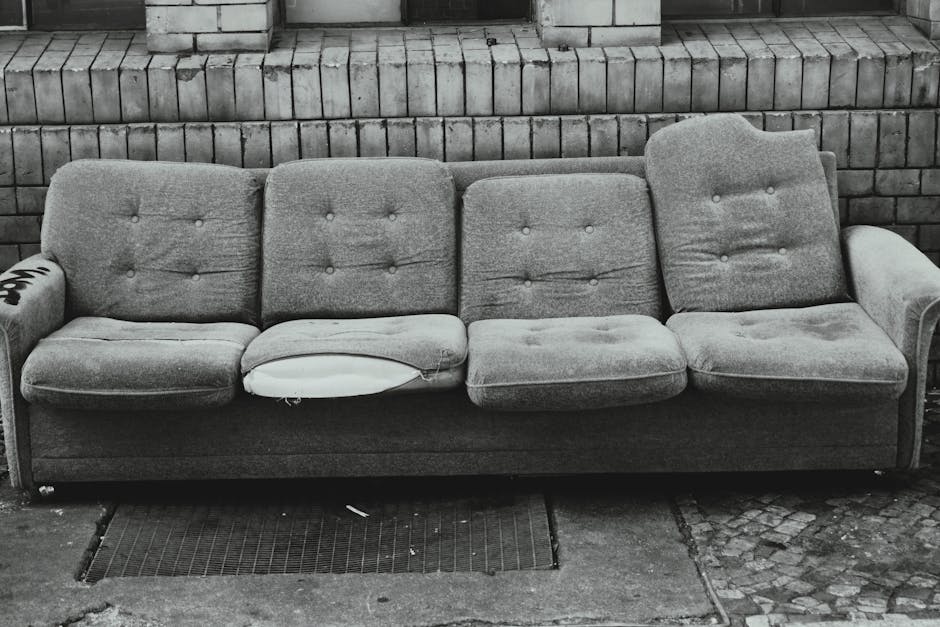
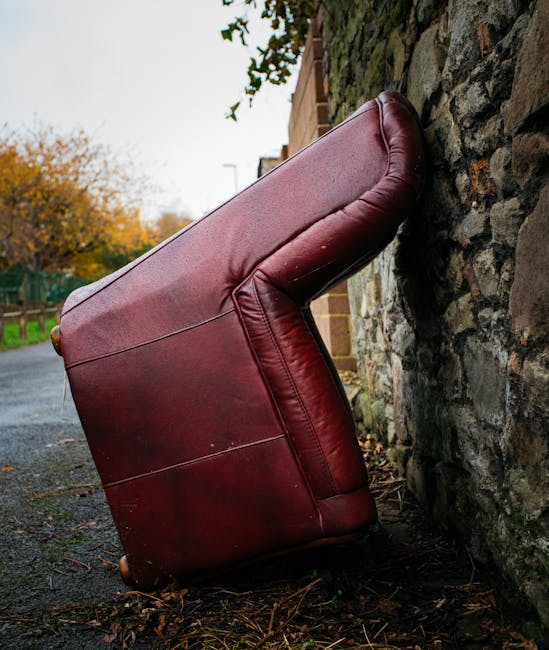
Getting sofa disposal right matters for a few very ordinary reasons, and none of them are glamorous. A sofa is bulky, awkward, and hard to move safely. If you leave it out incorrectly, it can obstruct pavements, annoy neighbours, and create the kind of mess that gets noticed quickly in a busy area like Kennington. It can also be treated as fly-tipping if it is abandoned rather than disposed of through a lawful route. That is the part people sometimes miss.
In practice, the rules matter because they help you avoid fines, wasted time, and last-minute panic. They also protect shared spaces. Anyone who has tried to carry a sagging armchair down a narrow stairwell in a Victorian conversion will know exactly what I mean. It is not just about disposal; it is about doing it without causing a headache for everyone else in the building.
There is also a resale-and-renovation angle here. Kennington has plenty of flats, maisonettes, and period homes where space is tight, and sofa disposal often happens at the same moment as a move, refurb, or tenancy change. That is why it helps to think ahead. If your moving timetable is already tight, reading practical guides such as avoid hidden costs with Kennington removals can save you from the usual "we'll sort it later" scramble. Spoiler: later is nearly always more expensive.
How Kennington sofa disposal rules under Lambeth Council Works
At a high level, sofa disposal usually falls into one of three routes: council bulky waste collection, reuse or donation where suitable, or private removal by a licensed waste carrier or removal company. The right option depends on the condition of the sofa, how urgently you need it gone, and whether you are dealing with one item or a full room of furniture.
For most households, the key practical rule is simple: do not just put a sofa out on the street and hope for the best. Councils generally expect bulky items to be presented only through the correct collection or arranged service, and they often have timing and placement requirements. In a busy residential pocket of Lambeth, that usually means keeping the item on private property until the right collection window, unless you have been instructed otherwise.
A sofa that is clean, structurally sound, and free from major damage may be suitable for reuse. If it is broken, heavily stained, or infested, disposal rather than reuse is usually the more realistic path. A lot of people are reluctant to admit this, but if the sofa has seen one too many tea spills and the springs are doing their own thing, it may not be donation material anymore.
If you are already planning a broader clear-out, it can help to look at the wider moving picture too. The service overview at services overview gives a good sense of how furniture-related work is often handled alongside moving and storage, while furniture removals in Kennington is relevant when the sofa is only one part of a bigger job.
What usually affects the disposal route
- Condition: reusable, repairable, or unsalvageable.
- Access: stairs, narrow hallways, no lift, parking constraints.
- Quantity: one sofa versus multiple bulky items.
- Urgency: scheduled clear-out or same-week removal.
- Responsibility: tenant, landlord, agent, homeowner, or executor.
Key Benefits and Practical Advantages
Following the right disposal route is not just about staying on the right side of council rules. It usually makes the whole process easier. You avoid last-minute lifting, reduce the risk of damage to walls and stair rails, and cut the chance of someone having to come back and "sort it out" after the fact. That second visit is always less cheerful than the first, frankly.
There is also a sustainability benefit. A sofa that can be reused should generally be kept in circulation rather than dumped. Even when disposal is the only realistic option, choosing a proper route makes recycling or responsible handling more likely. For households that care about doing things properly, this is a real comfort.
Another practical advantage is better timing. If you are moving out of a flat in Kennington, the sofa often needs to go at exactly the right point in the schedule, not a day too early or too late. The same applies to tenancy end dates, sale completions, and end-of-build renovations. If you are weighing a move at the same time, you may find flat removals in Kennington helpful because sofa disposal often sits inside a wider flat clearance plan.
Why doing it properly saves more than money
- You reduce the risk of complaints from neighbours or building managers.
- You avoid accidental obstruction in communal hallways or outside entrances.
- You are less likely to pay extra for emergency collection.
- You make it easier to coordinate move-out, handover, or decorating work.
Who This Is For and When It Makes Sense
This topic is relevant to far more people than you might think. It is not only for homeowners clearing out a lounge. In Kennington, sofa disposal crops up in all kinds of ordinary situations: renting a flat, downsizing, replacing old furniture, clearing after a house move, or helping someone manage an inherited property.
It makes particular sense to pay attention if you live in a property with limited access. That could mean a top-floor flat, a basement flat with tight stairs, or a converted building where the front door opens straight onto a shared hallway. In those settings, dragging a sofa out at the wrong time is a recipe for friction with neighbours and maybe the building management too.
It also matters if you are working to a deadline. End-of-tenancy handovers, completion dates, and refurbishment schedules do not wait around. If you need the item gone fast, a same-day solution may be worth considering. In that case, same-day removals in Kennington can be a practical fit, especially when the sofa is part of an urgent clear-out.
And yes, sometimes the sofa is not the only awkward item. If the job turns into a whole-living-room shuffle, you may want to keep the broader moving day in mind by looking at man and van in Kennington or removals in Kennington. That is especially useful when the sofa needs lifting, loading, and responsible disposal in one go.
Step-by-Step Guidance
Here is the cleanest way to handle sofa disposal without making the process more complicated than it needs to be.
- Check the sofa's condition. Decide whether it is reusable, repairable, or only fit for disposal. If it still has life in it, reuse is often the better route.
- Measure access points. Doorways, stair turns, lifts, and corridor widths all matter. This is boring but essential.
- Decide on the disposal method. Council collection, private removal, donation, or resale. Choose the option that fits the item and your timing.
- Prepare the sofa properly. Remove cushions, detach any loose parts, and protect floors and walls while moving it.
- Book or arrange collection in advance. Leave yourself enough time for confirmation, access notes, and any building requirements.
- Place the item correctly. Only put it where instructed. Do not assume the pavement is acceptable just because it is convenient.
- Keep proof of booking or handover. A screenshot or confirmation email can save a lot of awkwardness later.
That sounds straightforward, and mostly it is. But the tricky part is always access. A lot of sofas are not difficult because of their weight alone; they are difficult because they twist badly in the stairwell and catch on the bannister at the worst possible angle. If that sounds familiar, it is because it happens all the time.
For larger furniture moves, a well-organised vehicle and crew make the difference. You can learn more about the wider setup through removal van in Kennington and furniture removal support, both of which are useful when disposal is only one part of the job.
Expert Tips for Better Results
The best advice is usually the simple kind, the sort people skip because it sounds too obvious. But obvious advice is often the bit that saves you from a headache later.
Book early if you are in a busy moving window. End-of-month dates, weekends, and school holiday periods can be hectic. A sofa collection left until the last minute often becomes a larger, more expensive problem than it needed to be.
Be realistic about condition. People do overestimate how reusable a sofa is. If the fabric is worn through or the frame is loose, donation may not be the right expectation. Better to be honest now than disappointed on collection day.
Think about the route out of the property. If the sofa is going from a first-floor flat with a tight turn at the landing, an extra pair of hands or a professional service is worth it. Not glamorous. Just smart.
Bundle disposal with other moving tasks. If you are already moving furniture, clearing storage, or changing tenancy, handling everything together is usually more efficient. If you need packing help too, packing and boxes in Kennington and package and boxes are worth a look for the rest of the move.
Keep your neighbours in the loop. A quick heads-up can prevent frustration in shared buildings. It is a small thing, but in practice it helps more than you would think. People are much more forgiving when they know a bulky item is being moved at 10:00 rather than discovering it half-barricading the entrance at 8:30.
Expert summary: The safest sofa disposal plan in Kennington is usually the one that combines correct timing, proper access planning, and the least disruptive route for the building. If in doubt, choose the option that reduces handling and avoids leaving the item anywhere public without clear permission.
Common Mistakes to Avoid
The biggest mistake is also the most common one: leaving a sofa outside without confirming that the collection method allows it. That can turn a simple clear-out into a compliance problem. Another frequent issue is underestimating how hard a sofa is to move through shared spaces. The problem is not always the sofa itself; sometimes it is the front step, the narrow lift, or the awkward bend at the bottom of the stairs.
People also forget to account for timing. If your collection is booked after the lease ends, or after decorators arrive, you are creating avoidable pressure. Likewise, if you assume the council can deal with same-day bulky waste when you have not arranged anything, you may end up stuck with the sofa longer than planned.
Here are a few errors worth avoiding:
- Putting bulky furniture out on the street too early.
- Assuming every sofa can be donated.
- Forgetting to remove loose cushions or detachable parts.
- Not checking building access rules or parking limitations.
- Trying to move a large sofa alone when it clearly needs two people.
- Mixing waste disposal with general household rubbish in a way that confuses the collection plan.
One small but costly mistake is ignoring parking and access. If the removal vehicle cannot stop nearby, even a quick job becomes messy. That is where planning and sensible vehicle choice matter. If that sounds like your situation, see also man with a van in Kennington for smaller, flexible jobs or house removals in Kennington if the sofa is part of a larger property clearance.
Tools, Resources and Recommendations
You do not need a truckload of specialist tools, but a few basics make sofa disposal much less stressful. A tape measure helps you confirm access. Furniture blankets or old covers protect hallways and the sofa frame. Gloves are useful, especially if you are dealing with rough edges or broken fittings. And if the item is going down stairs, a second person is often the most useful "tool" of all.
On the planning side, a simple notes app or checklist is enough to keep track of collection details, dates, access notes, and who is responsible for what. That sounds almost too simple, but simple systems work. Especially when you are juggling moving boxes, utility handovers, and all the other small tasks that seem to appear from nowhere.
For bigger or more complex jobs, it can help to look at the broader service pages that fit the same kind of work. A few relevant starting points are removal services in Kennington, removal companies in Kennington, and insurance and safety when you want added peace of mind during handling and transport.
If your sofa is going out as part of a move, it can also help to think about where the rest of your belongings will go for a day or two. In that case, storage in Kennington may be the sensible bridge between clearing out and settling in.
Law, Compliance, Standards, or Best Practice
Without pretending this is a legal lecture, there are a few compliance principles worth keeping in mind. Furniture that is left in a public place without proper arrangement can be treated as fly-tipping or unlawful dumping. That is the main risk people should understand. It is not about being dramatic; it is about how local waste enforcement tends to work in the real world.
Best practice in the UK generally means using a lawful route for bulky waste, keeping records of your booking or collection, and ensuring anyone who handles waste is doing so responsibly. If you use a private mover or waste carrier, it is sensible to check they operate properly and take care with disposal. That does not need to be overcomplicated. Just ask the straightforward questions and get clear answers.
There is also a duty-of-care mindset here. In plain English, that means you should make a reasonable effort to ensure your furniture does not end up abandoned, mishandled, or dumped by someone else after they collect it. If you are clearing a property after a move, that sense of care matters even more. A sofa is just a sofa until it ends up in the wrong place and becomes your problem again.
For readers who are in the middle of a larger move or property handover, the local permit and logistics side can be just as important as the disposal itself. If that applies, the article on Lambeth Council permit guidance for Kennington large removals is a useful companion read.
Options, Methods, or Comparison Table
Different disposal routes suit different situations. The right choice depends on condition, urgency, and how much handling you want to do yourself. Here is a simple comparison to help you choose more confidently.
| Option | Best for | Pros | Watch-outs |
|---|---|---|---|
| Council bulky waste collection | Standard household sofa disposal | Structured, familiar, usually straightforward | Needs planning, dates may not suit urgent jobs |
| Reuse or donation | Clean, usable sofas in decent condition | Better for sustainability, may help others | Not every sofa is suitable, may require transport |
| Private removal service | Urgent, heavy, awkward, or multi-item clear-outs | Flexible timing, less lifting for you | Usually costs more than DIY options |
| DIY transport to a suitable disposal point | People with the right vehicle and lifting help | Control over timing, possible cost savings | Manual handling risk, parking, and loading hassle |
In most ordinary Kennington situations, the answer is either a council collection or a private removal service. DIY sounds cheap until you factor in time, fuel, parking, lift-outs, and the part where you almost lose your grip at the stair landing. Not ideal.
Case Study or Real-World Example
A typical Kennington scenario goes like this. A renter in a second-floor flat wants to replace a large corner sofa before checkout day. The building has a narrow staircase, no lift, and a shared entrance that needs to stay clear. The sofa is not in terrible condition, but it has a damaged arm and several marks, so donation is uncertain.
Instead of leaving it until the final afternoon, they measure the access route a few days early, check whether the sofa needs two people or more, and decide against a last-minute DIY lift. The item is arranged for removal through the appropriate route, and the move-out day stays calm. No hallway arguments, no awkward delays, no sofa wedged sideways in the doorway while everyone stares at it.
That example matters because it shows the real win is not just disposal. It is timing. A sofa removed on the right day, in the right way, saves stress all round. The same logic applies whether you are clearing a flat, preparing a sale, or moving your household into storage for a while. If you are in that middle phase, the broader moving guidance on moving from Kennington Road to The Oval with man and van tips is also useful reading.
Practical Checklist
Use this checklist before you move a sofa out of your home or flat in Kennington:
- Confirm whether the sofa can be reused, donated, or must be disposed of.
- Measure doorways, stair turns, corridors, and lifts.
- Check building rules, access windows, and parking restrictions.
- Choose the disposal method that fits urgency and condition.
- Book collection or removal in advance where possible.
- Remove cushions and loose parts.
- Protect walls, floors, and communal spaces.
- Keep confirmation details handy.
- Make sure the sofa is not left in a public place unless instructed.
- Have a backup plan if the item proves too awkward to move alone.
Quick takeaway: if the sofa is big, awkward, or time-sensitive, plan it like a mini project rather than a quick chore. That mindset alone prevents most problems.
If you are looking for a smoother way to handle a bulky sofa, especially alongside other household items, it may be worth exploring the full range of moving services and then checking pricing details to see what fits your timeline and budget.
Conclusion
Kennington sofa disposal rules under Lambeth Council are really about doing one simple thing properly: getting a bulky item out of your home without creating a public nuisance, a safety problem, or an avoidable headache. Once you understand the basic options, the process becomes far less intimidating. Decide on the right route, plan the access, keep your timing tight, and do not leave the sofa somewhere it should not be.
For many people, the smoothest option is the one that combines clear planning with practical help. That could mean a council bulky waste route, a reuse-first approach, or a removal service that takes care of the heavy lifting for you. Whatever you choose, a little preparation goes a long way. And honestly, that is usually enough.
Get a free quote today and see how much you can save.
With the right plan, even a stubborn sofa can be handled calmly, cleanly, and without turning moving day into a drama. That is the goal, really.


